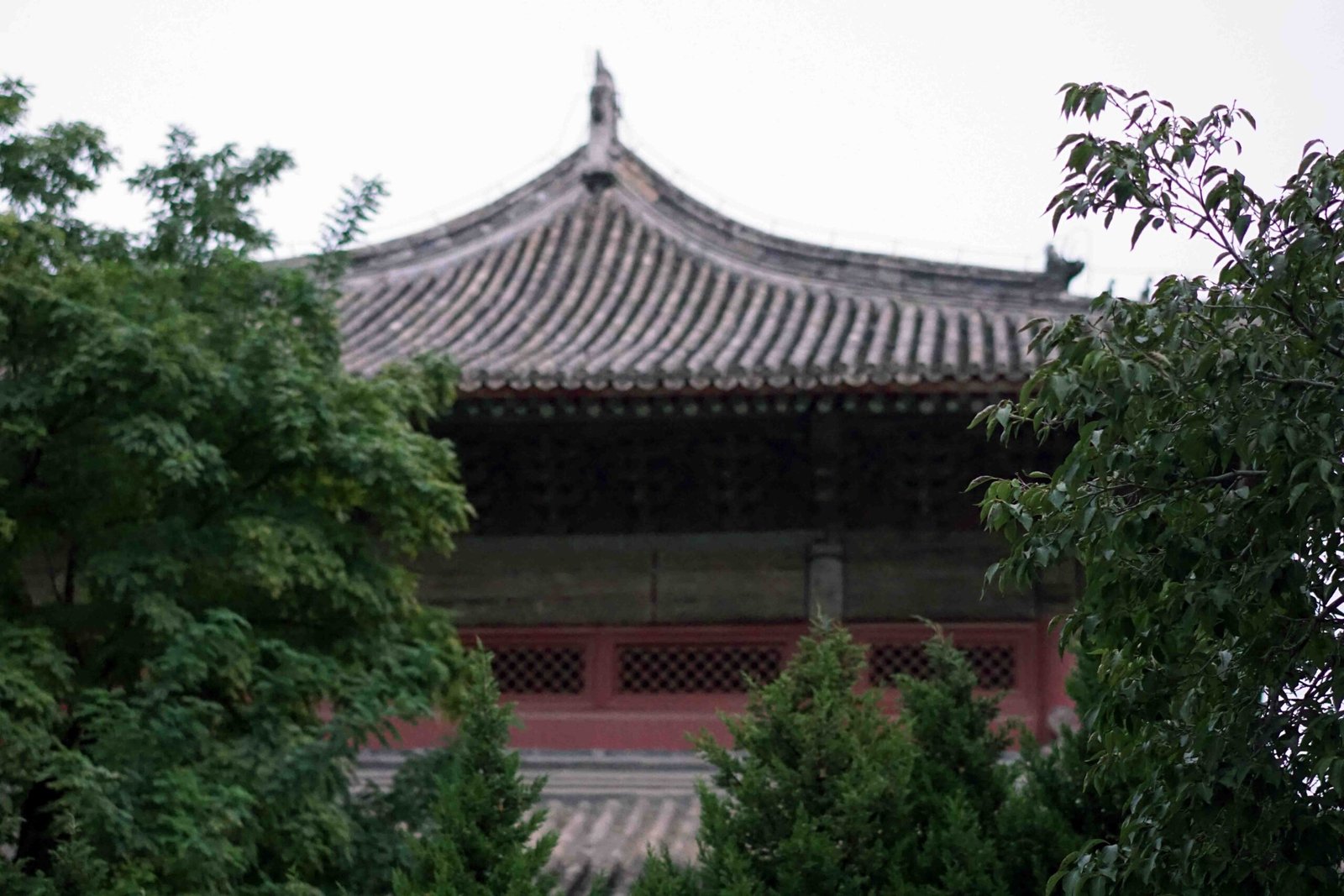
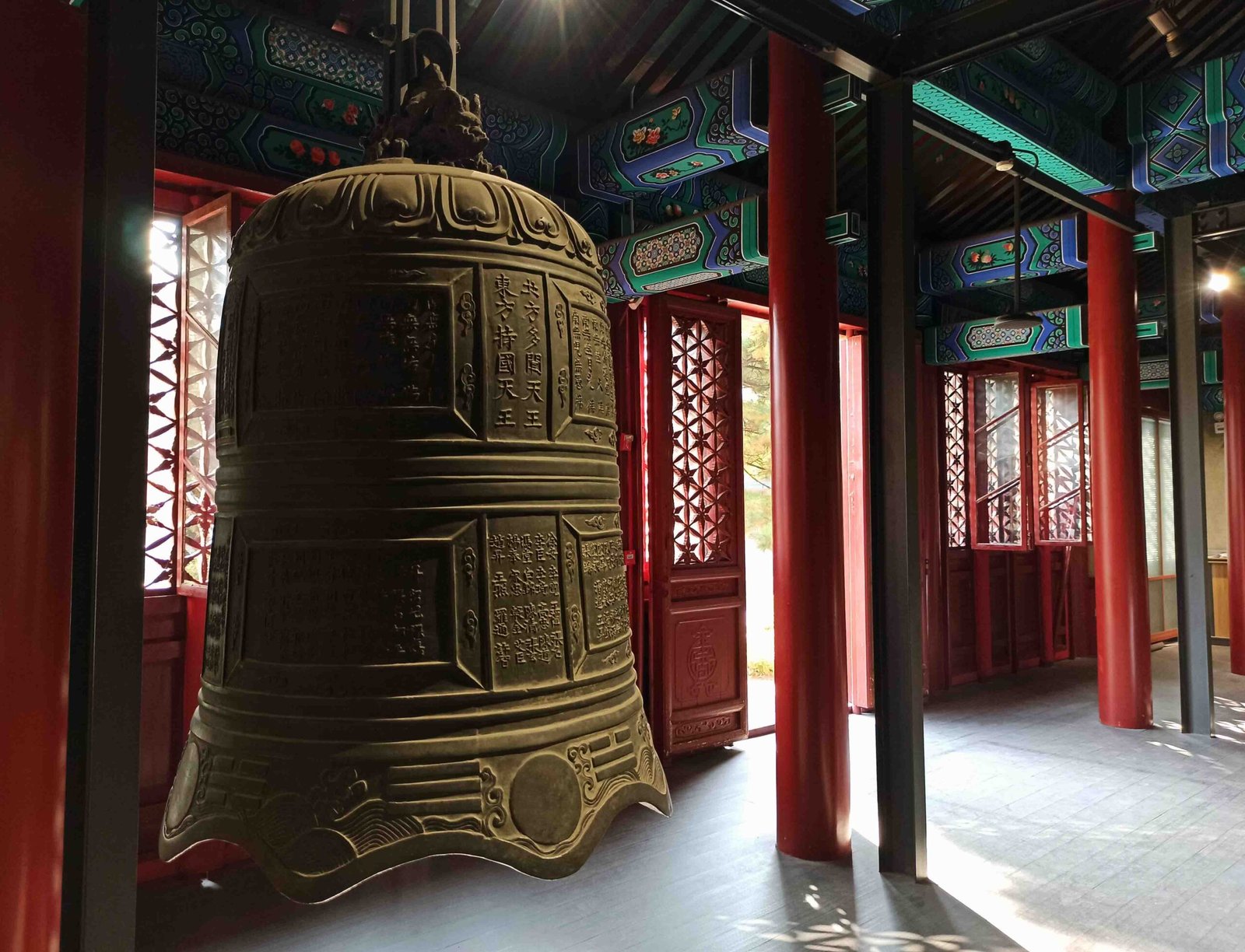
The Lama Temple beautifully blends Beijing’s ancient history, rich culture, and spirituality. In my most recent visit to the Lama Temple (also known as Yonghe Gong, Yonghe Lamasery, or in Chinese 雍和宫), I found it to not only be a place that can be appreciated for its architectural and historic beauty, but also a place where an increasing number of people were going to practice their faith. Below I will share what I discovered including the background to the temple, what to explore, as well as practical need to know tips.
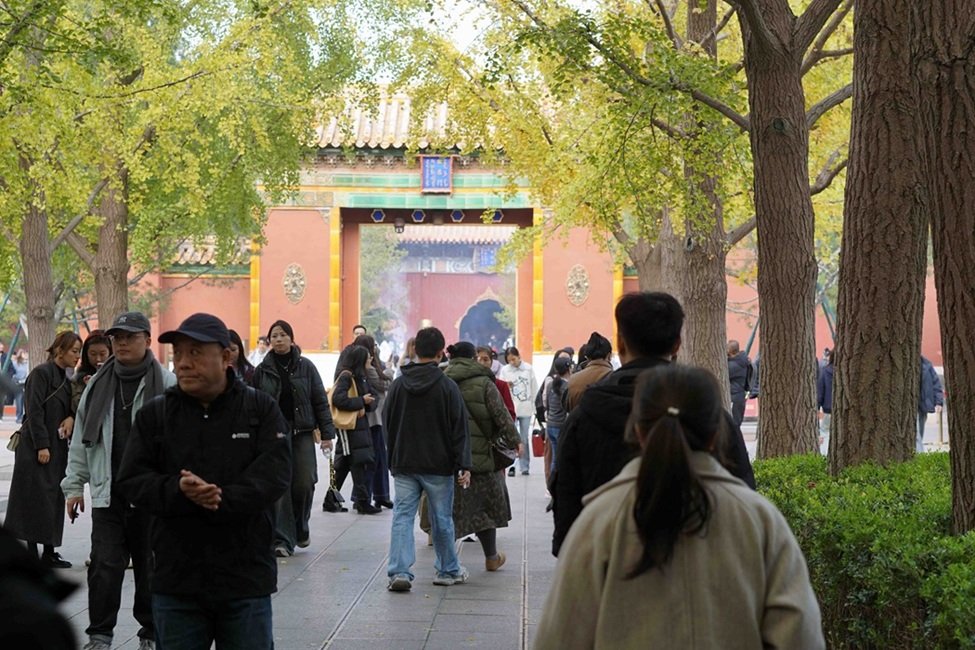
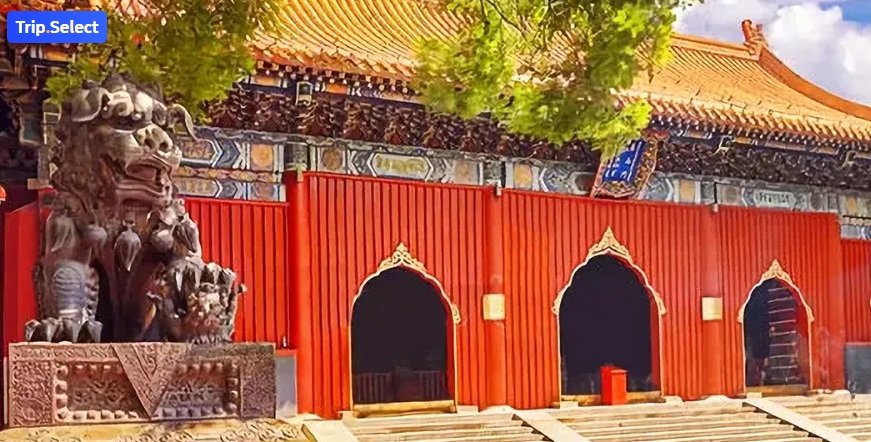
Beijing Lama Temple Guided Half-Day Tour: For those seeking a guided tour, this booking is highly rated. Suitable for up to five in a group.
This is an affiliate link; we may earn a small commission at no additional cost to you.
Background to the Yonghegong Lama Temple
Origins and Imperial Links:
The site was originally constructed in 1694 during the reign of the Kangxi Emperor of the Qing Dynasty. At that time, it was the residence of Prince Yong, who later became the Yongzheng Emperor.
In 1725, half the residence was converted into a lamasery when Yongzheng ascended the throne. It gradually became formalized as a Buddhist temple of the Tibetan-style sect.
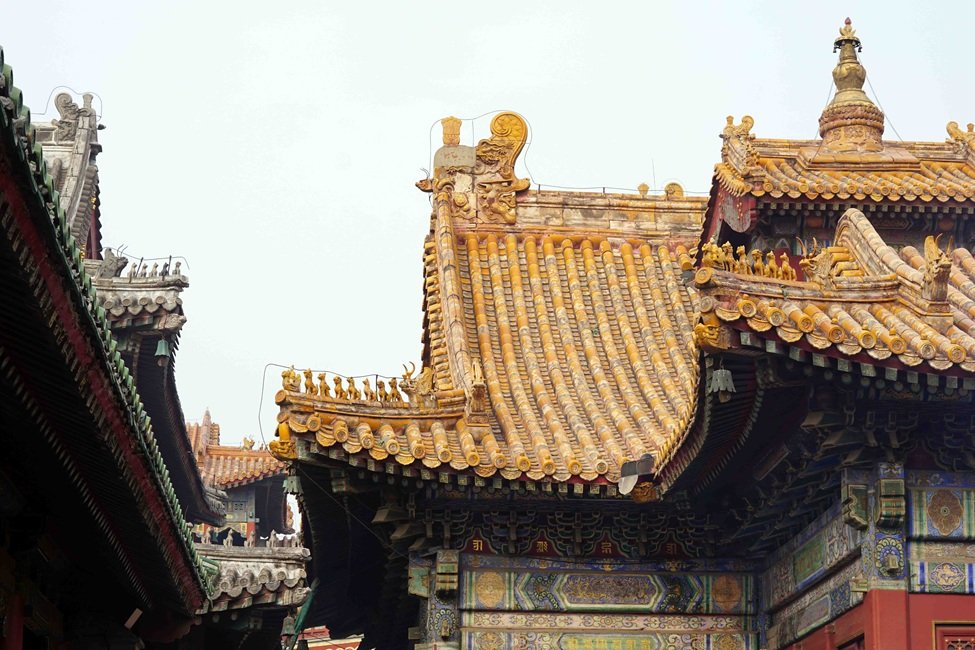
In 1735, after Yongzheng died, the venue was elevated further when the next emperor (Qianlong) gave it a more imperial status, changing the roof-tiles to yellow (the imperial color) and formalizing its role as the canter of Lama administration.
Religious and Architectural Significance at the Lama Temple
Although it began as a palace residence, it evolved into a major monastery of the Gelug school (Yellow Hat Sect) of Tibetan Buddhism, combining Han Chinese architectural elements and Tibetan styling.
It is now listed as a “national key Buddhist temple in the Han nationality area” in China.
Its art and statues, especially the huge carved-wood statue of the future Buddha Maitreya, are considered masterpieces.
Why this matters today
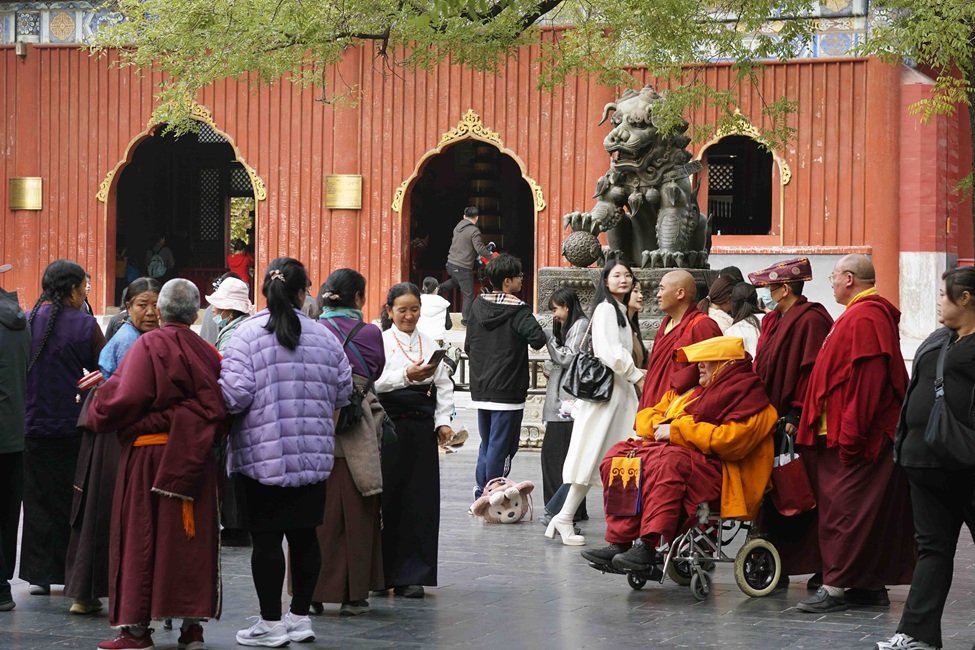
I found that the Lama Temple isn’t just a tourist stop (although like myself there were indeed many of them), but it is also an active temple with worshippers, burning incense, monks chatting with each other, and an overall atmosphere of devotion. Many temples in Beijing are secularized or have been converted into museums, but this one retains its religious dimension.
What to Explore at the Lama Temple
When you walk through the Lama Temple you’ll find many halls, courtyards, colorful details and spaces that invite reflection, even with the high number of visitors. Here are the highlights.
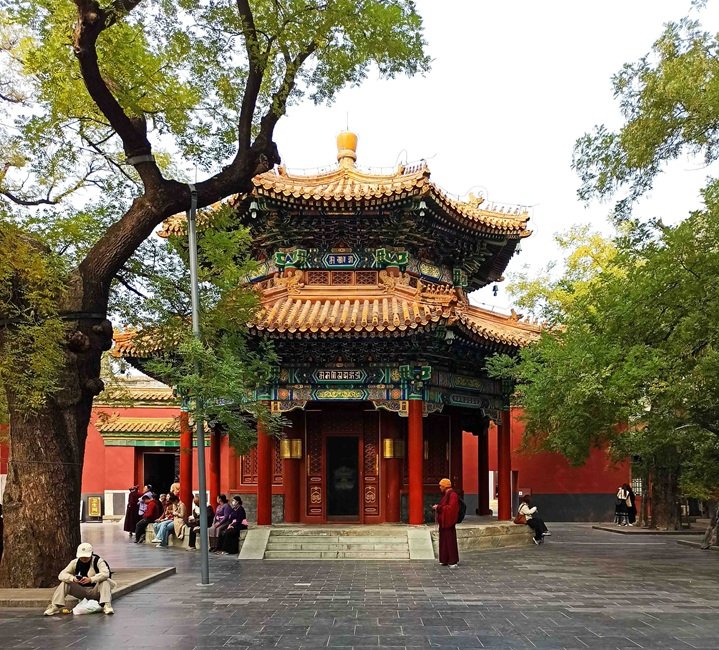
The Entrance and Courtyard
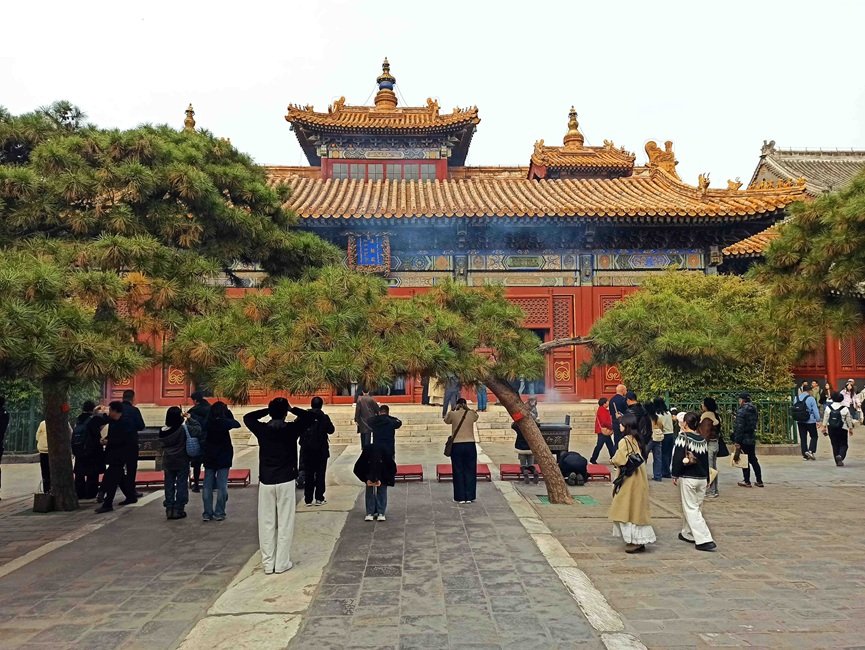
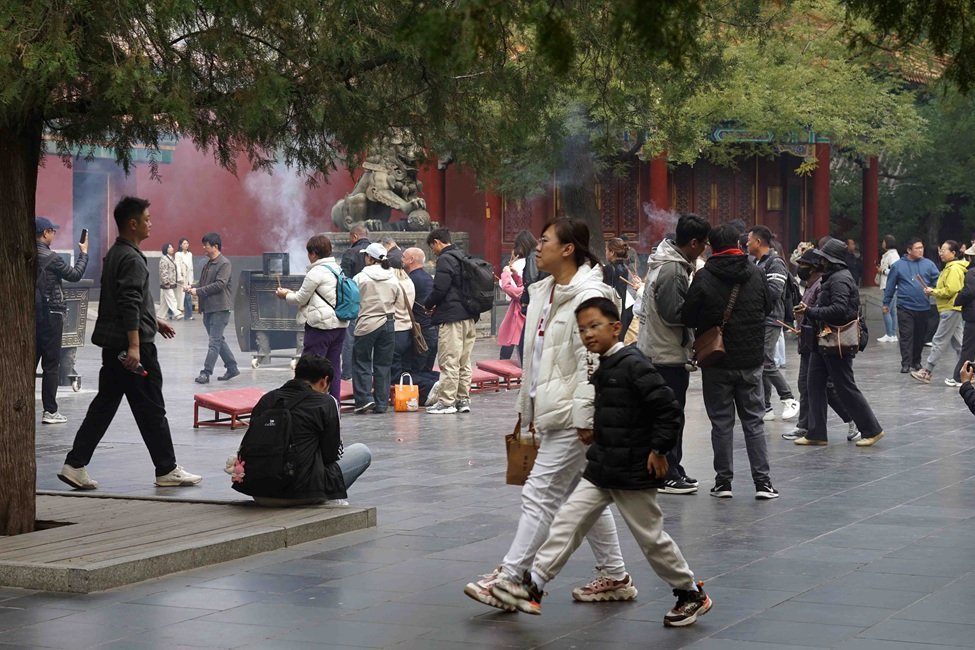
You arrive and pass through an outer gate into a broad courtyard. In that first space people mill around, viewing the drum and bell towers before standing before the Yonghe Gate (Harmony Gate). At this point, the air is filled with incense as worshippers make their first stop. As I progressed through the Lama Temple, I noticed people had purchased large stacks of incense and were stopping to burn it at all worship points as they progressed through the site.
The Main Structure of the Halls
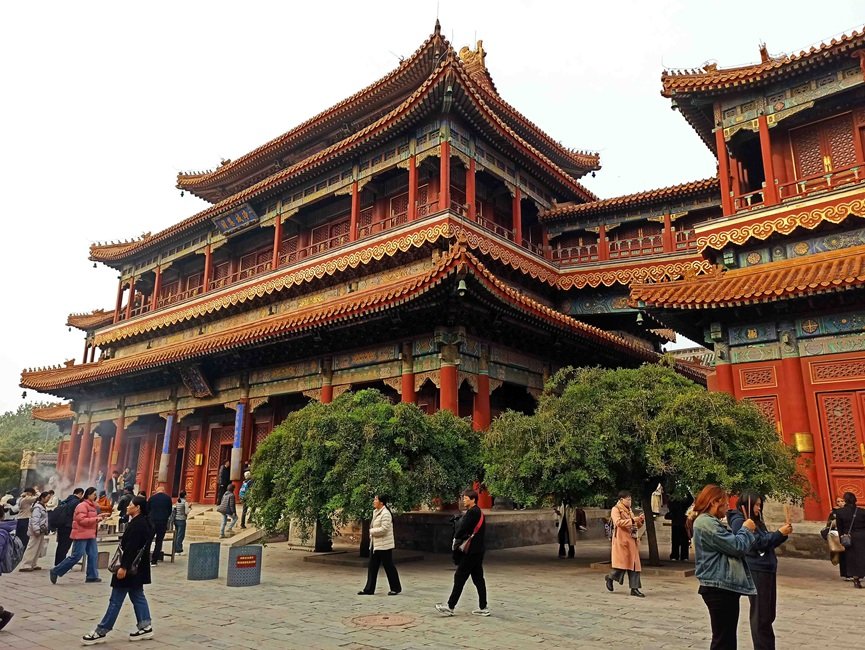
The temple is organized along a central axis. You will walk through several main halls one after the other. As you move through, from the Yonghe Gate Hall to the Falun Hall, each has distinct iconography, architecture, colors and purpose.
- Yonghe Gate Hall invokes general well-being and peace.
- Yonghe Temple Hall (Yonghegong Hall), is a large richly decorated space.
- Yongyou Hall serves the purpose of protection from evil and misfortune.
- Falun Hall is often associated with career success or advancement.
- Wanfuge Pavilion is the home of the famed large Buddha statue.
The Giant Maitreya Buddha Statue
One of the “wow” moments in the Wanfuge Pavilion is seeing the enormous statue of Maitreya Buddha carved from a single piece of white sandalwood. It is 55 feet tall (16.764 meters), and the scale of the sculpture really makes a major impression.
Incense and Worship Spaces
You will notice a steady stream of worshippers lighting incense, bowing, and making offerings. The smell of sandalwood or incense, the red and gold interior, the quiet chant, all contribute to the feeling and atmosphere in the place.
Architectural and Decorative Details
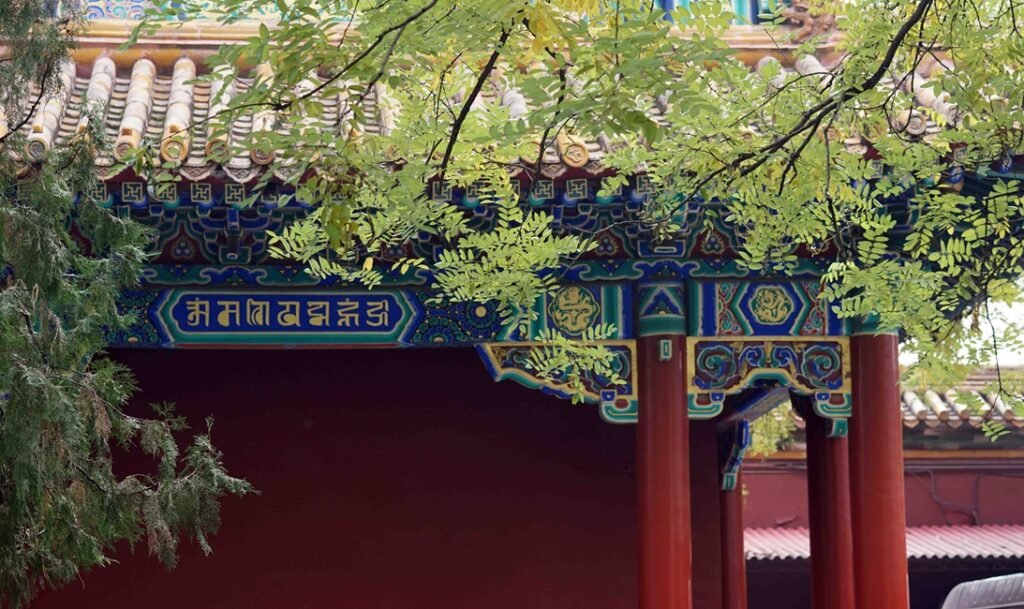
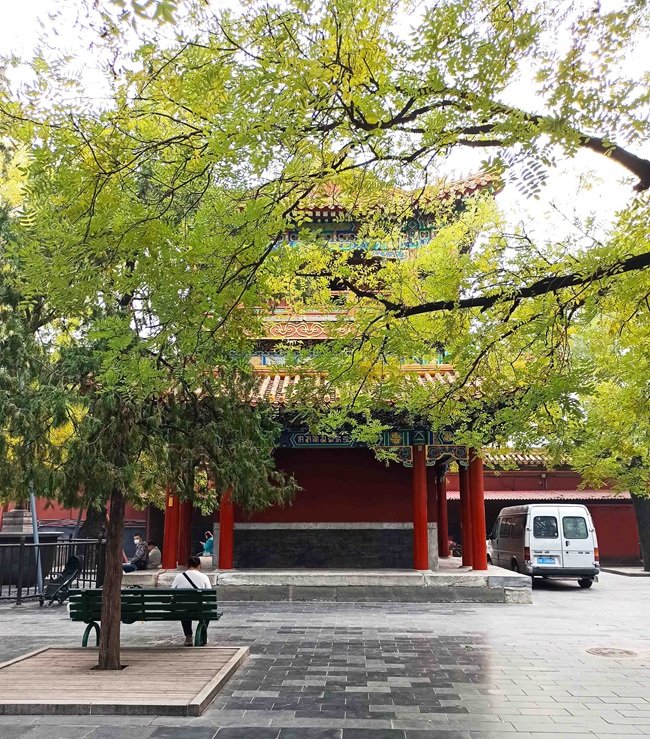
Don’t rush past the details: the roof decorations with dragons, the richly painted beams, the blend of Tibetan and Chinese elements, the colored glazed tiles (especially the historical ones changed to yellow), the wood carvings, the stupas, the stele inscriptions. I found myself repeatedly pausing to glance up at a beam, or peer at the carved capitals.
Side Rooms, Courtyards and Smaller Halls
Beyond the main halls there are side wings, quieter courtyards, smaller chapels, and spaces where you can avoid the larger crowds.
Photo and Reflection Spots
- The courtyard just after entering: good for wide shots of the temple facade and tree shadows.
- Inside the Wanfuge Pavilion facing the giant statue: if allowed, capture from the back of the room (respectfully) to get scale.
- Side corridors with light filtering through: they give atmospheric shots with incense haze.
- At dusk (if you stay until closing) the interior light takes on a warmer hue — beautifully contemplative.
Why You Should Visit the Lama Temple
I visited because it seemed like a top ‘must-see’ spot in Beijing, but it really does do more than just tick a box. Here are the top reasons why the Lama Temple is worth visiting:
Cultural and Historical Depth
This isn’t a superficial tourist site, rather it’s a place with deep imperial, religious and historical layers. If you’re interested in Qing dynasty history, Buddhist art, or Chinese-Tibetan cultural interchange, it delivers.
Spiritual and Atmospheric Experience
Even if you’re not religious, the Lama Temple is a place of significance to people of Buddhist faith. Seeing this in practice is of interest.
Art and Architecture
From the giant Buddha statue to the intricate carvings and glazing, the Temple is rich in visual delight. If you enjoy architecture, photography or decorative detail, you’ll find plenty to admire.
Convenient Location
It’s located in central Beijing (Dongcheng district) and is quite easy to access (see below). You could combine it with other nearby attractions or include it in a half-day plan. So, it doesn’t demand the full day if you’re short on time.
Final Thoughts on Visiting the Lama Temple
The Lama Temple is one of those sites that feels important due to its historical, spiritual and visual nature. It doesn’t just impress with size or grandeur (though the statue is impressive). It also invites reflection, both spiritual and cultural. If you’re planning a trip to Beijing, include it not just because you “should,” but because it offers a different tone of experience. Don’t rush it. Take the time to walk through the site slowly and absorb the details.
Practical Information
Best Time to Visit
- Seasons: Spring and autumn are ideal for both weather and light (cooler, clearer air).
- Time of day:
- Arrive when it opens (9 am) to enjoy relative quiet and soft light.
- Late afternoon (1–2 hours before closing) is also good: fewer tour-groups, softer indoor lighting, mellow atmosphere.
- Avoiding crowds: On weekends and national holidays it may be busier. If possible, visit on a weekday morning.
Tips for Visiting
- Dress modestly: although casual clothing is fine in general, avoid extremely revealing outfits or very short shorts.
- When entering halls: use the side doors rather than stepping directly in front thresholds; many halls ask you to step in with right foot first as traditional etiquette.
- Incense and offerings: you might be offered incense sticks. Three sticks per hall is common, and proper handling (holding left on top, right below). You are free to wander on site without burning incense or making offerings. This is personal preference.
- Photography: Exterior is fine. Inside the halls you’ll see many worshippers and statues so it’s polite to minimize flash, and avoid obstructing peoples’ devotional activities. Some halls may restrict photography of certain statues. I personally avoided taking any photographs in the halls so as not to intrude.
- Time needed: Allow 1–2 hours. If you’re an architecture or photography buff you might stay longer.
- Combine with nearby attractions: After the temple you might walk to the nearby Confucius Temple or the Guozijian Imperial College (both in the same area) if time permits. Take time out to sit in a café or drink craft beer at Wudaoying Hutong.
Opening Hours and Admission
- Admission: 25 RMB for adults.
- Opening hours vary by season:
- From April 1 to October 31: typically 9:00 am to 17:00 (last entry 16:30).
- From November 1 to March 31: 9:00 am to 16:30 / 16:00 (depending on variant).
Tip: Arrive early to avoid crowds; I found the early morning or late afternoon more peaceful.
Important: Check ahead for any temporary closures or renovations. Older temple compounds sometimes have halls closed for maintenance.
Address and Getting to the Lama Temple
- Address: No. 12 Yonghegong Street (雍和宫大街), Dongcheng District, Beijing.
- By Subway: The easiest route is to take the Beijing Subway to Yonghegong Lama Temple Station (Lines 2 & 5 interchange). Exit from Exit F (southeast) and you are about a 5-minute walk to the entrance.
- By Bus: Several bus routes stop near the temple (bus 13, 84, 116, 117) and you can walk a short distance from the stop.
Tip: Since it’s centrally located, you’ll likely pass it when moving between central Beijing sites. Plan it either early in your day or as a calm afternoon stop.
Accommodation Close By
These are affiliate links; we may earn a small commission at no additional cost to you.
Premium Accommodation
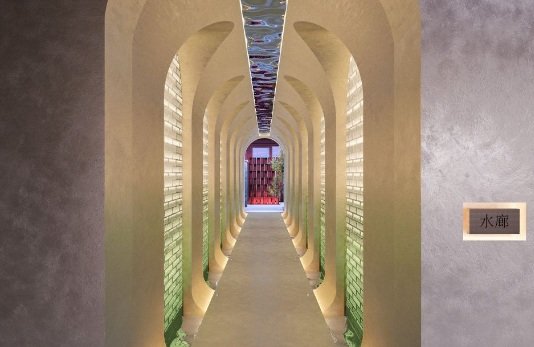
Beijing Yonghegong Lama Buddhist Temple Garden Courtyard: Just a 450 meter walk to the Yonghegong Lama Temple. This newly established courtyard contains all the amenities for a luxury experience.
Affordable Accommodation
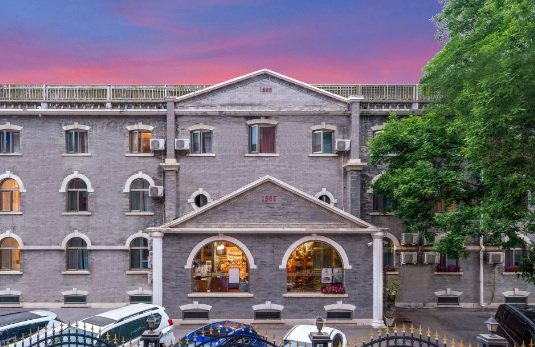
Nostalgia Hotel (Beijing Guozijian Gui Street Store): This hotel is situated within the hutongs of Beijing’s protected historic district. A comfortable stay that is less than one kilometer away from the Lama Temple.
Budget Accommodation
Homeinn · neo (Beijing Shichahai Drum Tower Jiaodaokou): Close to all many well-known sites in “Old Beijing” as well as 1.3km away from the Lama Temple. You can still experience old Beijing on a budget.